
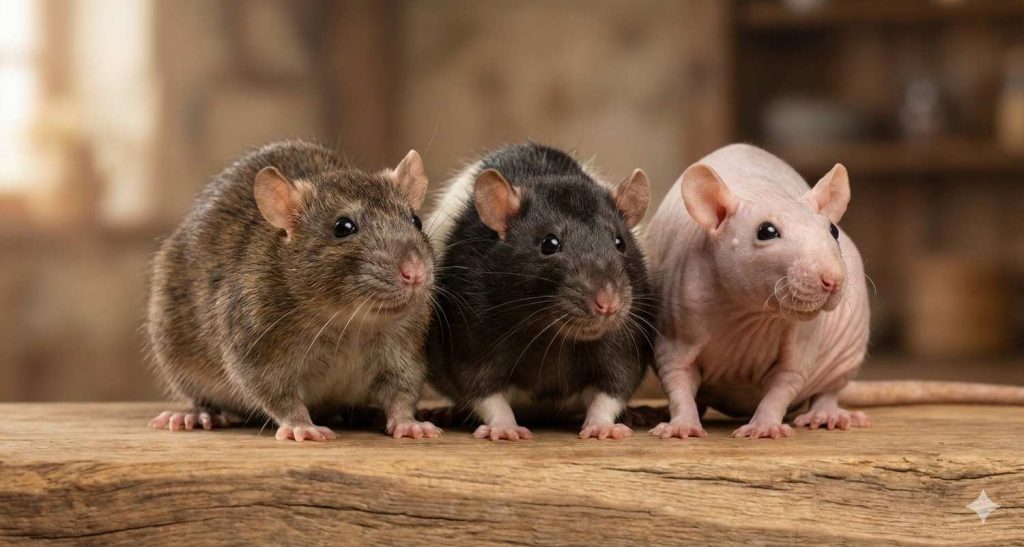
Rats rank as one of the most adaptable and persistent urban pest species that exist throughout Australia. They have the ability to build their colonies in multiple locations, ranging from residential rooftops to commercial storage facilities. Plus, they may cause severe damage to buildings, as well as health risks to people. The protection of an area requires species identification and complete knowledge of warning indicators together with proper implementation of control methods.
The complete guide describes all the rat species existing in Australia, the associated risks, and the recommended methods of controlling them in residential and commercial environments.
Common Rat Species in Australia
1. Norway Rat (Rattus norvegicus)
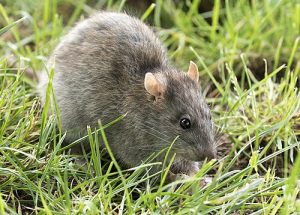
The common brown rat (also known as the sewer rat) represents the most common rat species found in cities.
Main Characteristics:
- Heavy, large-bodied (up to 500g)
- Burrows in gardens, soil, and building foundations
- Small ears and a blunt nose
- Strong swimmers are found in drains and sewers
Norway rats build their nests on the ground and cause severe damage to building foundations, stored goods, and insulation.
2. Native Bush Rat (Rattus fuscipes)
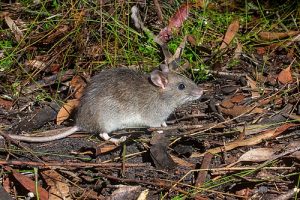
Bush rats live mainly in forests, bushland, and rural environments, but they are sometimes able to get into buildings that border on vegetation.
Main Characteristics:
- Smaller than Norway rats
- Less aggressive and shy
- Generally found near dense ground cover
Bush rats do not do as much damage; however, they can contaminate food if they get inside your house.
3. Roof Rat (Rattus rattus)
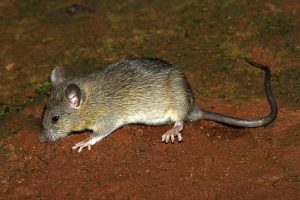
Roof rats (also called ship rat or black rat) are great climbers.
Main Characteristics:
- Long-tailed, slender body
- Large ears and a pointed nose
- Prefers higher nesting points
- Nests in trees, roof voids, and wall cavities
Roof rats typically invade attics and ceilings, chewing through insulation and electrical wiring.
Early Signs of a Rat Infestation
If you see signs indicating rat issues, you need to take preventive measures against both property damage and health risks. Look out for:
1. Droppings:
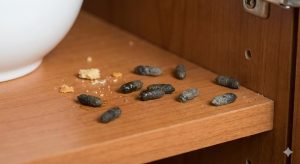
Dark, capsule-shaped droppings found near your stored food, cupboards, and in ceiling spaces are a major sign of rat activity.
2. Scratching Sounds
Noise made by banging against the wall or ceiling during the night could indicate that you may have roof rats.
3. Gnaw Marks
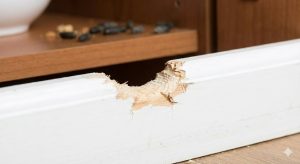
Rats constantly chew to control tooth growth. You may notice:
- Chewed electrical wiring
- Gnawed food packaging
- Damaged plastic or wood
4. Grease Marks
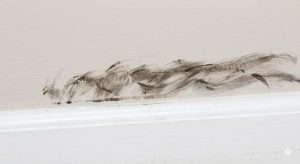
Rats leave grease (rub) marks behind every time they come in contact with something, including the edges of the walls and the floor.
5. Nests
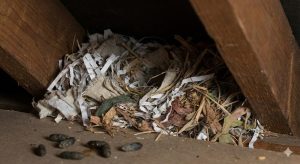
Shredded paper, insulation, fabric, or leaves arranged in hidden corners signal active nesting.
When these signs appear, professional assessment is recommended to prevent rapid population growth. You will know if you have an active rat nest in your building if you find shredded paper, insulation, fabric, or leaves stacked in a hidden location.
As soon as you notice any of these signs, you should get a professional to assess the situation before they have an opportunity to breed rapidly.
Stop Pest Problems Fast with Now Pest Control
At Now Pest Control, we deliver fast, safe, and highly effective pest control services across Sydney.
From stubborn termites to unwanted rodents and insects, our experienced team ensures your home or business stays protected all year round.
Don’t wait until the problem gets worse — take action today with trusted local experts.
Health and Safety Risks
Rats create more problems than they present since they endanger public health and building safety.
1. Disease Transmission
Rats can carry and spread
- Salmonella
- Leptospirosis
- Rat-bite fever
- Hantavirus
Contamination occurs through droppings, urine, and saliva.
2. Structural Damage
Chewed wiring increases the risk of electrical fires. Damaged insulation reduces energy efficiency.
3. Food Contamination
Small infestations lead to food contamination problems in stored food throughout homes and restaurants, and warehouses.
4. Secondary Pest Issues
Rats can bring fleas, mites, and ticks into human habitats.
The rapid nature of infestations requires Sydney rat pest control experts to provide specialized solutions that protect homes through their knowledge of local conditions.
Professional Rat Control Methods
The process to manage rats effectively needs more than just trap installation. The process control requires three components, which are inspection, treatment, and prevention.
1. Detailed Property Inspection
The professionals evaluate the following elements of the site:
- Nesting sites
- Entry points
- Food sources
- Population size
Now Pest Control provides its licensed technicians who perform complete site evaluations to select appropriate treatment methods while avoiding extra chemical usage.
2. Trapping Systems
The safe indoor areas require snap traps and electronic traps because they cannot use baiting methods. The food sector and childcare facilities benefit most from trapping methods which work effectively in:
- Commercial kitchens
- Childcare centres
- Food processing facilities
3. Baiting Programs
The installation of tamper-proof bait stations occurs at specific locations throughout the property. These methods:
- Target active feeding zones
- Allow controlled rodent elimination
- Minimise risk to pets and children
The current bait formulas achieve their intended purpose while following established safety standards.
4. Rodent-Proofing (Exclusion Work)
The process to achieve sustainable control requires organizations to stop rodents from returning to their premises.
The process includes:
- Sealing roof gaps
- Installing door sweeps
- Repairing broken vents
- Blocking drainage entry points
The process of exclusion work needs to happen because reinfestation will occur without it.
Integrated Pest Management Approach
The advanced pest control approach adheres to the Integrated Pest Management (IPM) model, focusing on:
- Environmental modification
- Monitoring and prevention
- Ongoing maintenance
- Minimal chemical use
This method provides sustainable control instead of temporary relief.
Differences Between Rats and Mice
It is very common for homeowners to mistake a rat for mice. However, it is important to be sure of your identification.
A Rat Has:
- Larger body and thick tail
- Causes more significant damage from chewing
- Produces larger and fewer droppings
Mice:
- Smaller size with thin tails
- More agile indoors
- Numerous small droppings
When identifying signs of small rodent infestations, it may be necessary to obtain rodent removal Sydney services from qualified professionals. It is because the treatment approaches for both vary as per the species.
Seasonal Patterns of Rat Activity
Rats remain active throughout the entire year but show increased activity during three specific times, which are:
- Autumn (seeking warmth)
- Post-heavy rainfall (sewer displacement)
- Winter (nesting indoors)
All existing areas require treatment according to their particular circumstances. This should be assessed through routine inspections that must take place before the arrival of colder weather.
DIY vs Professional Control
Do-it-yourself traps, together with hardware store baits, provide temporary results, yet these methods fail to control:
- Hidden nests
- Breeding cycles
- Entry points
- Secondary infestations
Rodent control methods become ineffective when technicians improperly place baits, which leads to rodent deaths in locations that cannot be reached.
Professional technicians deliver:
- Safe product application
- Accurate species identification
- Follow-up monitoring
- Preventative sealing
Expert assistance proves necessary for enduring roof and cavity infestations.
Environmental and Wildlife Considerations
Sydney properties face several possum encounters because these animals belong to protected native wildlife. Possums require legal protection because their treatment differs from that of rats, which people are allowed to kill. The licensed possum removal Sydeny services use humane methods to relocate animals while they prevent the animals from returning. The process of treatment must start after the team identifies which particular animal makes roof noises.
Prevention Tips for Homeowners
To further prevent the risk of infestation, consider:
- Sealing garbage bins securely
- Storing food in airtight containers
- Trimming tree branches to keep them away from roofs
- Removing unnecessary clutter from storage spaces
- Fixing leaking pipes
- Blocking small gaps in roofing and walls
With regular professional inspections, Now Pest Control can identify vulnerabilities before the issues increase into full infestations.
When to Seek Professional Help
You need to contact pest professionals when you:
- Observe droppings increasing
- Notice rats during the daytime
- Persistent ceiling noises
- DIY techniques fail after two weeks
Early intervention minimises structural damage and the cost of treatment.
Final Thoughts
Rats are resilient, smart pests that require professional management. Knowing what species is in your property, noticing the warning signs of a pest problem, and using effective control methods will help you protect your property from long-term damage and health issues.
Proactively managing pest populations will protect your home and business, as well as ensure that you comply with local health codes. If you suspect any rat activity, you need to act quickly for maximum protection.